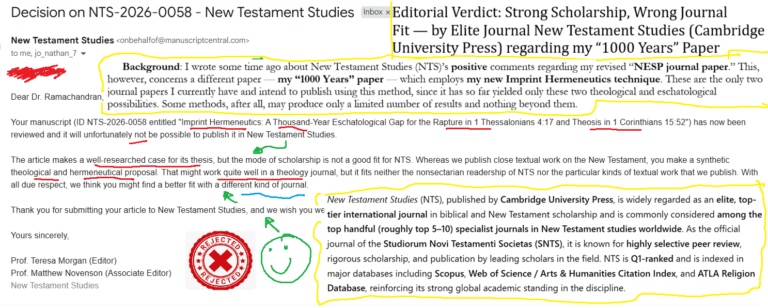
Am I a Heretic? Exploring “Salvation Outside Christianity”: Selected Quotations from Leading Asian and Malaysian Theologians
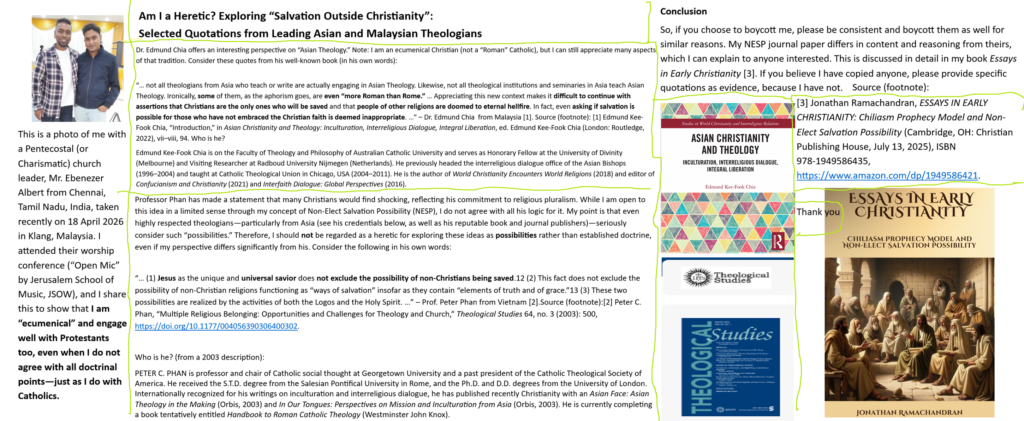
Dr. Edmund Chia offers an interesting perspective on “Asian Theology.” Note: I am an ecumenical Christian (not a “Roman” Catholic), but I can still appreciate many aspects of that tradition. Consider these quotes from his well-known book (in his own words):
“… Aside from the bishops, Asian theologians have also played key roles in the development of Asian Theology. The more well known among them, especially for their published works, are Aloysius Pieris (An Asian Theology of Liberation), Michael Amaladoss (The Asian Jesus; Liberation Theologies From Asia), Virginia Fabella (Asian Christian Spirituality; Third World Women Doing Theology), Marianne Katoppo (An Asian Woman’s Theology), Kosuke Koyama (Water Buffalo Theology), Felix Wilfred (Asian Public Theology; The Oxford Handbook of Christianity in Asia), and Mary John Mananzan (Woman, Religion and Spirituality in Asia). It would be safe to say that Pieris, Amaladoss, Fabella, Katoppo, Koyama, Wilfred, and Mananzan are indeed the “patriarchs” and “matriarchs” of Asian Theology.” … not all theologians from Asia who teach or write are actually engaging in Asian Theology. Likewise, not all theological institutions and seminaries in Asia teach Asian Theology. Ironically, some of them, as the aphorism goes, are even “more Roman than Rome.” … Appreciating this new context makes it difficult to continue with assertions that Christians are the only ones who will be saved and that people of other religions are doomed to eternal hellfire. In fact, even asking if salvation is possible for those who have not embraced the Christian faith is deemed inappropriate. …” – Dr. Edmund Chia from Malaysia [1]
Source (footnote):
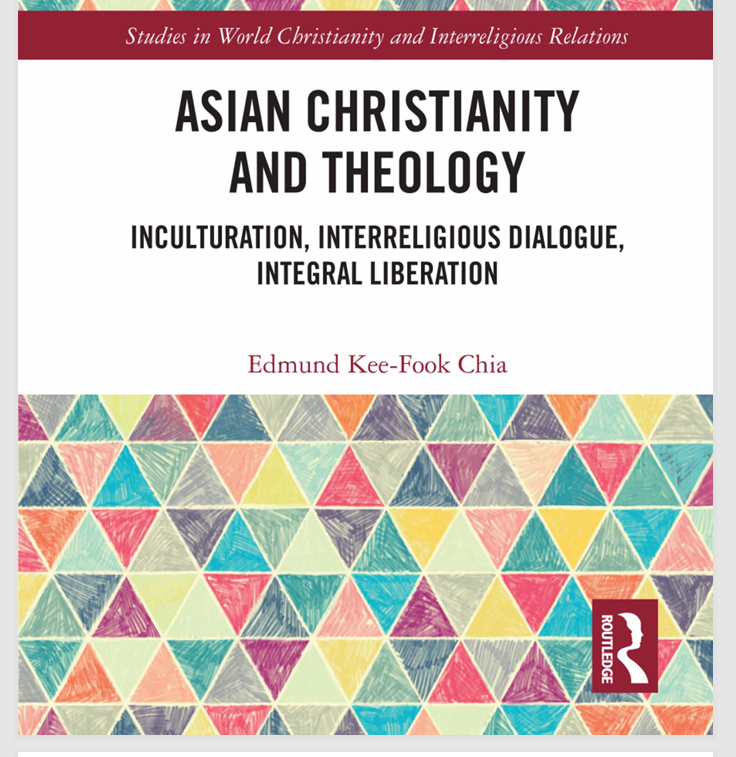
[1] Edmund Kee-Fook Chia, “Introduction,” in Asian Christianity and Theology: Inculturation, Interreligious Dialogue, Integral Liberation, ed. Edmund Kee-Fook Chia (London: Routledge, 2022), vii–viii, 94.
Who is he?
Edmund Kee-Fook Chia is on the Faculty of Theology and Philosophy of Australian Catholic University and serves as Honorary Fellow at the University of Divinity (Melbourne) and Visiting Researcher at Radboud University Nijmegen (Netherlands). He previously headed the interreligious dialogue office of the Asian Bishops (1996–2004) and taught at Catholic Theological Union in Chicago, USA (2004–2011). He is the author of World Christianity Encounters World Religions (2018) and editor of Confucianism and Christianity (2021) and Interfaith Dialogue: Global Perspectives (2016).
Professor Phan has made a statement that many Christians would find shocking, reflecting his commitment to religious pluralism. While I am open to this idea in a limited sense through my concept of Non-Elect Salvation Possibility (NESP), I do not agree with all his logic for it. My point is that even highly respected theologians—particularly from Asia (see his credentials below, as well as his reputable book and journal publishers)—seriously consider such “possibilities.” Therefore, I should not be regarded as a heretic for exploring these ideas as possibilities rather than established doctrine, even if my perspective differs significantly from his. Consider the following in his own words:
“… (1) Jesus as the unique and universal savior does not exclude the possibility of non-Christians being saved.12 (2) This fact does not exclude the possibility of non-Christian religions functioning as “ways of salvation” insofar as they contain “elements of truth and of grace.”13 (3) These two possibilities are realized by the activities of both the Logos and the Holy Spirit. …” – Prof. Peter Phan from Vietnam [2]
Source (footnote):
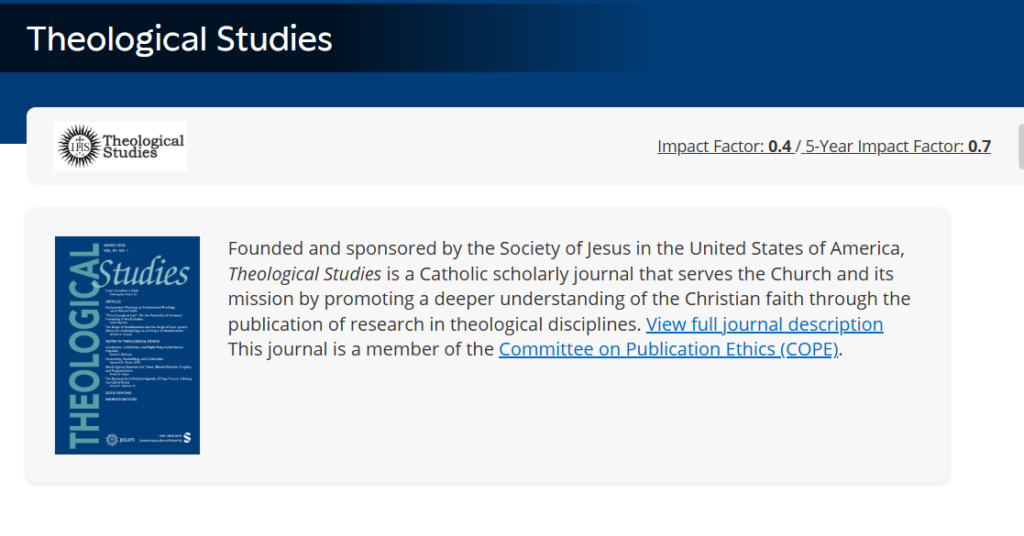
[2] Peter C. Phan, “Multiple Religious Belonging: Opportunities and Challenges for Theology and Church,” Theological Studies 64, no. 3 (2003): 500, https://doi.org/10.1177/004056390306400302.
Who is he? (from a 2003 description):
PETER C. PHAN is professor and chair of Catholic social thought at Georgetown University and a past president of the Catholic Theological Society of America. He received the S.T.D. degree from the Salesian Pontifical University in Rome, and the Ph.D. and D.D. degrees from the University of London. Internationally recognized for his writings on inculturation and interreligious dialogue, he has published recently Christianity with an Asian Face: Asian Theology in the Making (Orbis, 2003) and In Our Tongues: Perspectives on Mission and Inculturation from Asia (Orbis, 2003). He is currently completing a book tentatively entitled Handbook to Roman Catholic Theology (Westminster John Knox).
Conclusion
So, if you choose to boycott me, please be consistent and boycott them as well for similar reasons. My NESP journal paper differs in content and reasoning from theirs, which I can explain to anyone interested. This is discussed in detail in my book Essays in Early Christianity [3]. If you believe I have copied anyone, please provide specific quotations as evidence, because I have not.
Source (footnote):
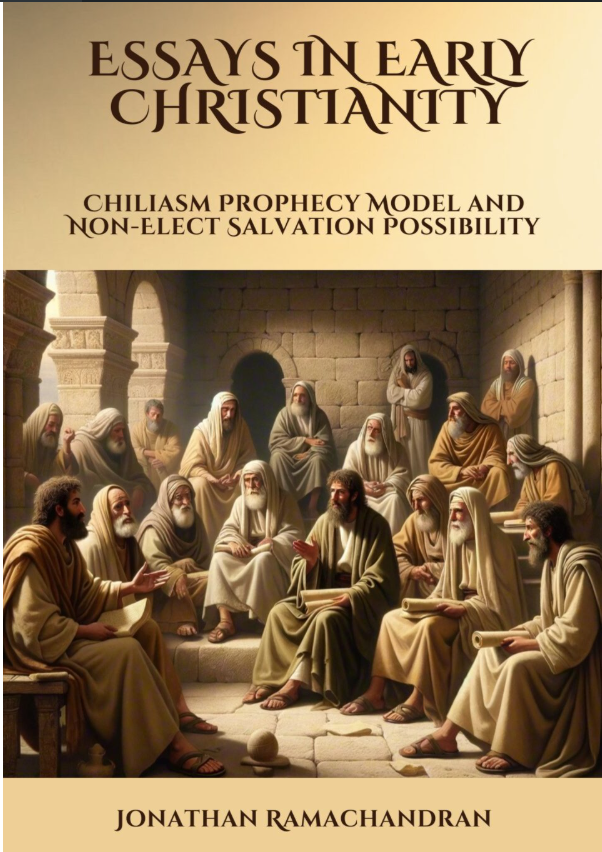
[3] Jonathan Ramachandran. Essays in Early Christianity: Chiliasm Prophecy Model and Non-Elect Salvation Possibility. Cambridge, OH: Christian Publishing House, 2025. ISBN 978-1949586428. https://www.amazon.com/dp/1949586421.
Thank you
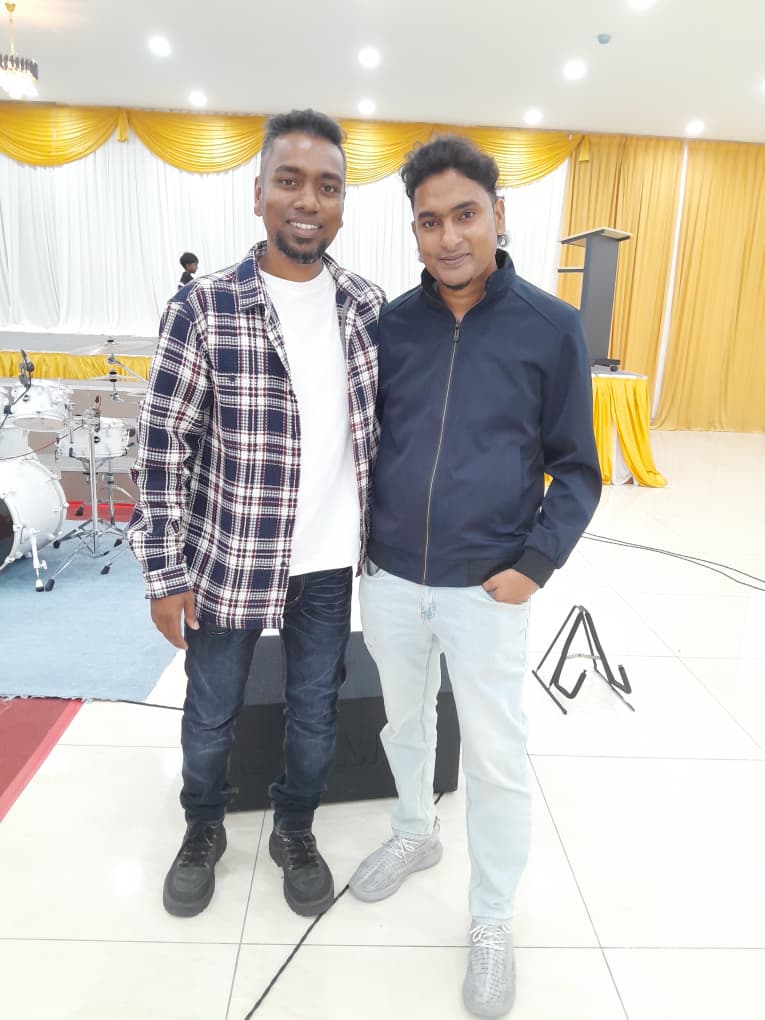
This is a photo of me with a Pentecostal (or Charismatic) church leader, Mr. Ebenezer Albert from Chennai, Tamil Nadu, India, taken recently on 18 April 2026 in Klang, Malaysia. I attended their worship conference (“Open Mic” by Jerusalem School of Music, JSOW), and I share this to show that I am “ecumenical” and engage well with Protestants too, even when I do not agree with all doctrinal points—just as I do with Catholics.
Source (LinkedIn Article titled “Am I a Heretic? Exploring “Salvation Outside Christianity”: Selected Quotations from Leading Asian and Malaysian Theologians“):
Thank you
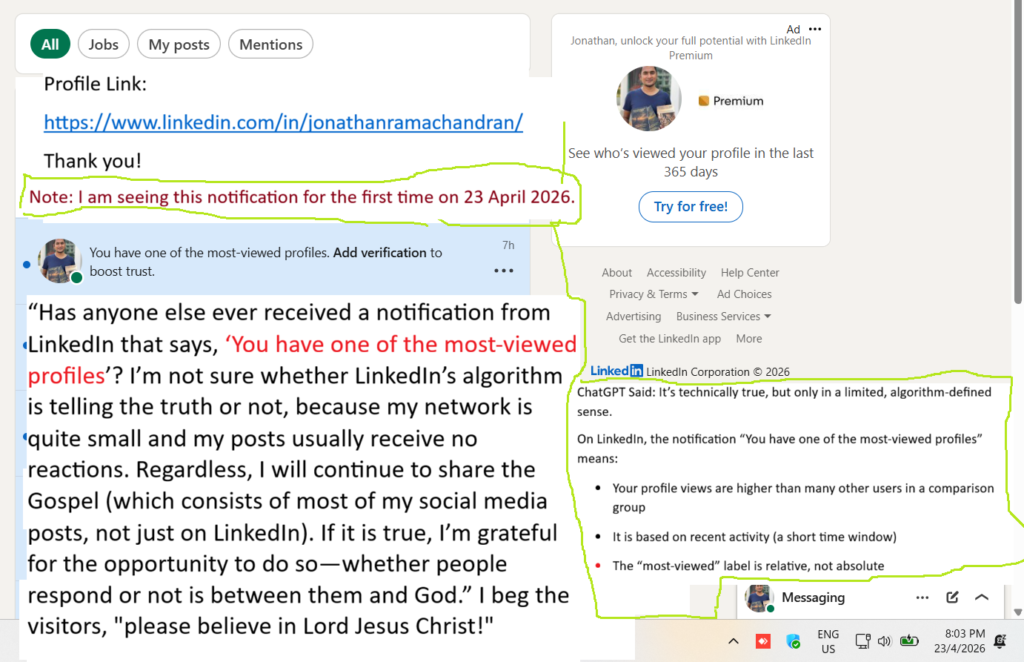
Question 173: “Has anyone else ever received a notification from LinkedIn that says, ‘You have one of the most-viewed profiles’?
Reply 173:
I’m not sure whether LinkedIn’s algorithm is telling the truth or not, because my network is quite small and my posts usually receive no reactions. Regardless, I will continue to share the Gospel (which consists of most of my social media posts, not just on LinkedIn). If it is true, I’m grateful for the opportunity to do so—whether people respond or not is between them and God.” I beg the visitors, “please believe in Lord Jesus Christ!” Profile Link:
https://www.linkedin.com/in/jonathanramachandran
Thank you!
“Note: I am seeing this notification for the first time on 23 April 2026.”
ChatGPT Said: It’s technically true, but only in a limited, algorithm-defined sense.
On LinkedIn, the notification “You have one of the most-viewed profiles” means:
- Your profile views are higher than many other users in a comparison group
- It is based on recent activity (a short time window)
- The “most-viewed” label is relative, not absolute